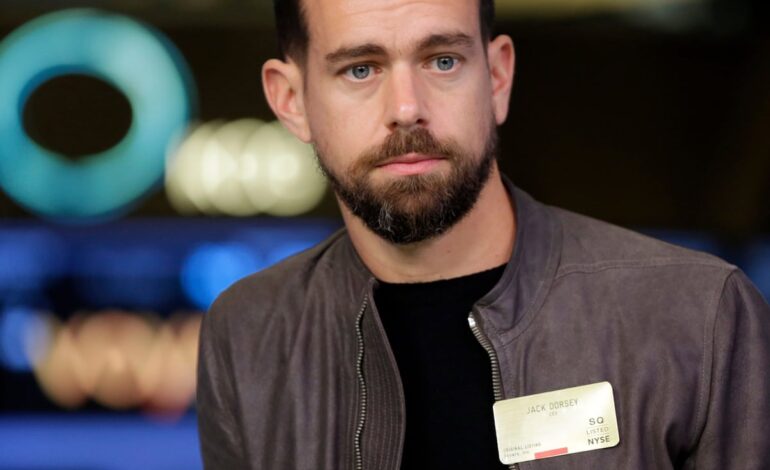

The recent mass layoffs at Block, orchestrated by Jack Dorsey, have ignited a debate over the efficacy of AI in replacing human roles. Current and former employees express skepticism about AI’s ability to manage their complex tasks, emphasizing the irreplaceable value of human skills.
The Layoffs and Rise of AI at Block
In March 2026, Jack Dorsey led significant changes at Block, implementing mass layoffs that raised concerns across the tech industry. At the core of these layoffs was the plan to integrate AI technologies to supplant human roles. However, existing employees and experts argue that while AI can enhance efficiency, it lacks the nuanced understanding and adaptability available only through human intelligence.
Employee Perspective on AI Limitations
Current and former employees of Block have voiced their concerns that AI technologies cannot replicate the intricate skills needed in their positions. These workers point out that certain tasks require critical thinking, creativity, and emotional intelligence, elements that AI systems cannot fully emulate. They maintain that the essence of human ingenuity is essential for driving innovation and ensuring quality across their projects.
The Larger Implications for the Tech Industry
Block’s move to replace human workers with AI has broader implications for the tech industry, signaling a potential shift towards automation. This raises fundamental questions about the future of human employment and the ethical considerations surrounding AI deployment. As technology companies weigh the benefits of AI, balancing automation with preserving human-centric jobs becomes a pivotal challenge that requires thoughtful strategies and policies.
Conclusion
The debate over AI replacing human jobs at Block highlights the complex relationship between technology and employment. While AI systems offer efficiency, the distinct attributes of human workers remain indispensable. Balanced integration of AI, respecting human contributions, can redefine the future of work in a technology-driven world.