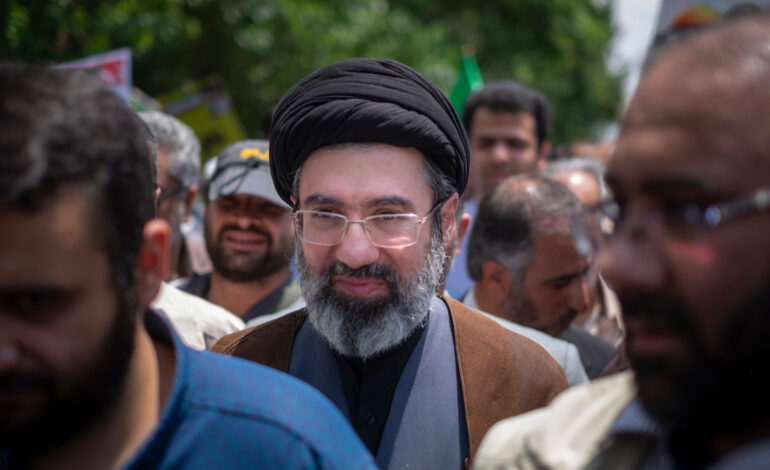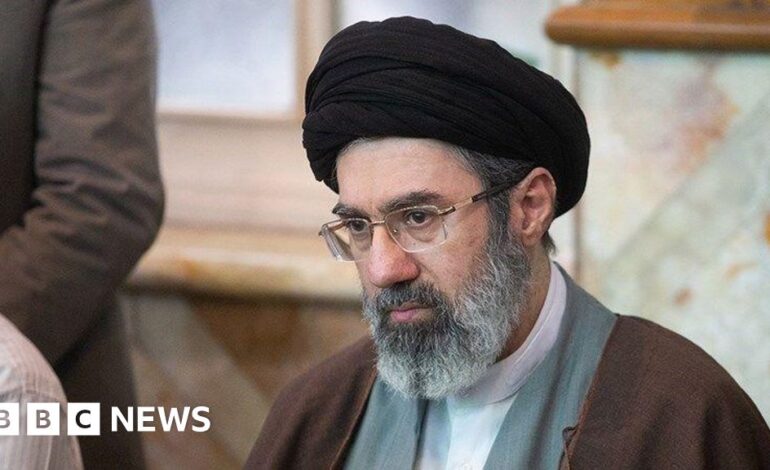
Meet Mojtaba Khamenei: Iran’s New Supreme Leader

Mojtaba Khamenei has emerged as Iran’s new supreme leader, succeeding his father Ayatollah Ali Khamenei. This article explores Mojtaba’s rise to power, his political influence, and the future of Iran under his leadership. Delve into his background, career, and the implications of his appointment on Iran’s future.
Mojtaba Khamenei’s Early Life and Education
Mojtaba Khamenei, born in 1969, is the second son of Ayatollah Ali Khamenei. He pursued religious studies at Qom Seminary, gaining profound insights into Islamic jurisprudence.
*His educational background* has significantly shaped his perspective and approach to leadership.
Political Trajectory and Influence
Mojtaba began his political journey working closely with his father, gradually amassing influence in Iran’s political sphere. His strategic roles within the government have prepared him for this apex position.
Key alliances within the military and political elites have solidified his power.
Implications of Leadership
The succession of Mojtaba Khamenei has profound implications for Iran’s domestic and foreign policies.
- His leadership may continue previous regimes’ hardline stances.
- The internal policies will possibly focus on maintaining the current religious and political order.
Future Prospects Under Mojtaba Khamenei
As Iran’s supreme leader, Mojtaba Khamenei’s decisions will affect regional stability and international relations.
*Under his guidance*, Iran might either uphold its current trajectory or experience subtle shifts aimed at modernizing its societal structure.
Conclusion
Mojtaba Khamenei’s ascension as Iran’s supreme leader marks a significant shift in the nation’s political landscape. His close ties to influential figures and ideologies suggest a continuity in policies, while his leadership will likely shape future regional and international dynamics. Understanding his role is crucial to anticipating Iran’s trajectory.