Trump Softens Stance on Encouraging Protesters in Iran

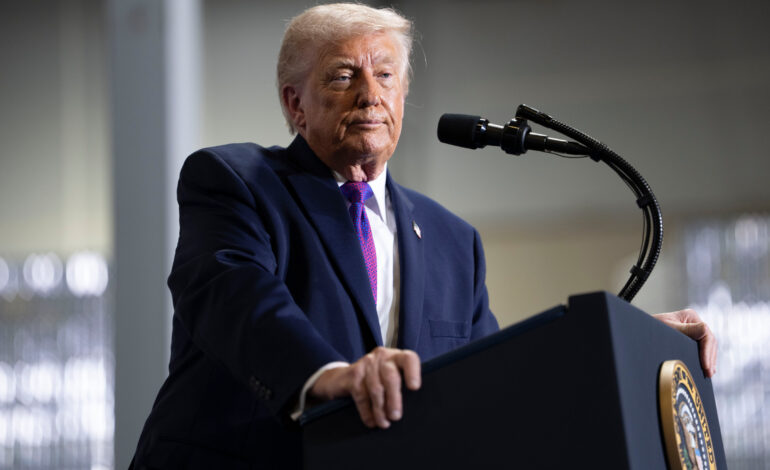
In recent developments, former U.S. President Donald Trump has moderated his previous calls for Iranian protesters to take control, suggesting a nuanced approach to U.S. involvement in Middle Eastern politics. This article delves into the implications of Trump’s softened rhetoric and explores its potential impact on Iran’s sociopolitical landscape and U.S.-Iran relations.
Background on U.S.-Iran Relations
Historically, the relationship between the United States and Iran has been contentious, marked by distrust and diplomatic challenges. From the Iran hostage crisis in 1979 to recent nuclear negotiations, each incident has shaped the strategies employed by U.S. leaders. Understanding this context is crucial to grasp the significance of Trump’s recent comments.
Trump’s Changing Rhetoric
During his presidency, Trump took a hardline stance against Iran, frequently criticizing the regime and encouraging citizens to challenge governmental authority. However, in a surprising pivot, Trump has recently advised against aggressive calls for regime change. This shift may reflect a strategic recalibration aimed at balancing support for internal change with geopolitical stability.
Implications for Iranian Protesters
Trump’s softened tone raises questions about the efficacy and safety of protests in Iran. While international support can galvanize civil movements, it can also provoke harsh crackdowns by the government. The revised U.S. stance might dampen protester enthusiasm but also reduce the risk of violent engagements.
Conclusion
Trump’s softened approach to Iranian protests indicates a strategic realignment in U.S. foreign policy. By advocating a more measured approach, the potential for diplomatic progress with Iran might increase, yet it also poses challenges for Iranian protesters counting on robust international support. The evolution of this policy will significantly influence Middle Eastern geopolitics.