Trump’s Controversial Efforts to Combat Antisemitism on Campuses: A Renewed Focus

This article delves into the resurgence of Donald Trump’s controversial initiative aimed at addressing antisemitism on university campuses. With renewed vigor, the policy seeks to tackle rising antisemitic sentiments in higher education institutions. We explore its implications, criticisms, and the ongoing debate surrounding this contentious issue.
Background of Trump’s Antisemitism Initiative
Trump’s administration initiated efforts to combat antisemitism on campuses back in 2019 with an executive order. Intended to curb rising antisemitic behavior, the order redefined Jewishness as a nationality in educational contexts. This move was both praised and criticized, marking a significant shift in how antisemitism was approached in academia.
The Impact on University Policies
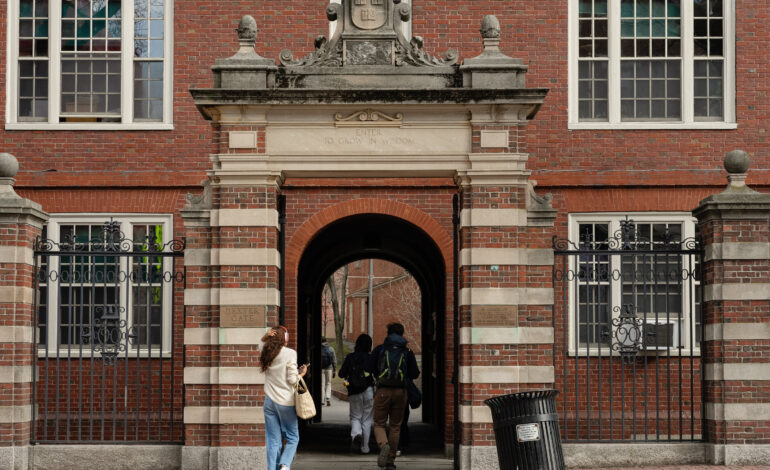
Universities faced pressures to revise their policies in light of the executive order. Some institutions embraced the opportunity to reaffirm their commitment to diversity and inclusion, while others grappled with concerns over free speech and academic freedom. The policy’s implementation exposed deeper challenges within the current educational framework.
Critics and Proponents: A Divided Opinion
The initiative garnered mixed reactions. Supporters argued it addressed a crucial need given the rise in antisemitism, creating safer environments for Jewish students. In contrast, critics claimed it infringed on free speech and blurred the lines of permissible campus discourse, sparking deeper debates about the nature of antisemitism and university autonomy.
The Future of Antisemitism Policies Post-Trump
As the political climate evolves, the future of these policies is uncertain. Ongoing advocacy from both sides could influence successor administrations’ approaches. The broader impact on university culture remains to be seen, with potential revisions reflecting emergent societal values and norms. Continuous monitoring will be essential in gauging long-term outcomes.
Conclusion
Trump’s campus antisemitism initiative has sparked renewed discussions about discrimination and free speech. As the policy undergoes further scrutiny, its future could shape university environments significantly. The debate underscores the complexity of balancing safety, inclusivity, and open discourse in educational settings, emphasizing the need for comprehensive solutions.