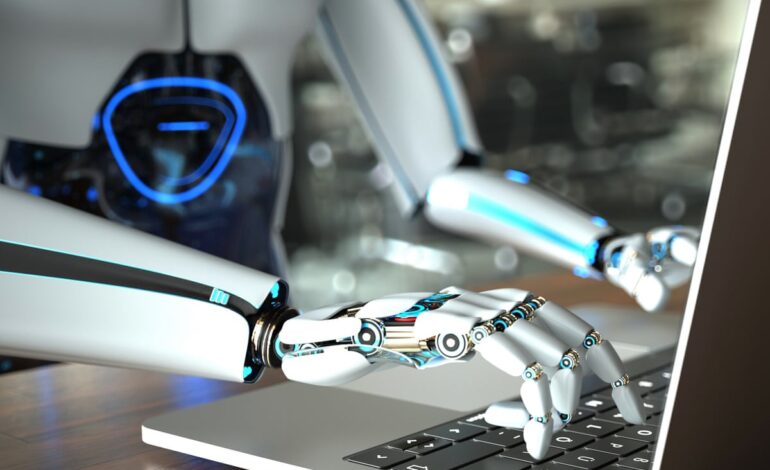

As AI technology continues to evolve, the publishing industry faces significant hurdles in distinguishing human-written works from those crafted by AI. This challenge has profound implications for the future of literature and poses ethical questions about authorship and creativity.
The Emergence of AI in Literature
Artificial Intelligence has advanced remarkably in recent years, penetrating various fields, including literature. Novel-writing AI systems are capable of producing entire books, challenging the traditional perception of authorship. Publishers are now encountering manuscripts authored entirely by AI, raising questions about originality and the value of human creativity in storytelling. This new frontier presents both exciting opportunities for innovation and potential threats to classic literary practices.
The Publisher’s Dilemma
Publishers are in a difficult position as they strive to differentiate AI-generated content from human-authored works. The inability to detect AI-written books could lead to unintentional publication of such works, altering the landscape of the industry. As AI authorship becomes more common, it may even redefine what it means to be a writer. Publishers are calling for advanced tools and methodologies to more effectively identify AI-created texts and safeguard the integrity of their catalogs.
Implications for the Future of Literature
The advent of AI-written books raises crucial questions about the future of literature. As AI continues to evolve, it challenges traditional notions of creativity, originality, and intellectual property. The literary world must grapple with these issues, exploring ways to coexist with AI while preserving the unique value of human storytelling. There is potential for collaboration, combining the innovative capabilities of AI with the nuanced insights of human authors to enrich the literary landscape.
Conclusion
AI-written books pose both opportunities and challenges for the literary world. While they offer a new dimension of creativity, they also necessitate new measures for authenticity and originality. The future of literature may lie in balancing technology with traditional storytelling methods to ensure a diverse and vibrant literary culture.