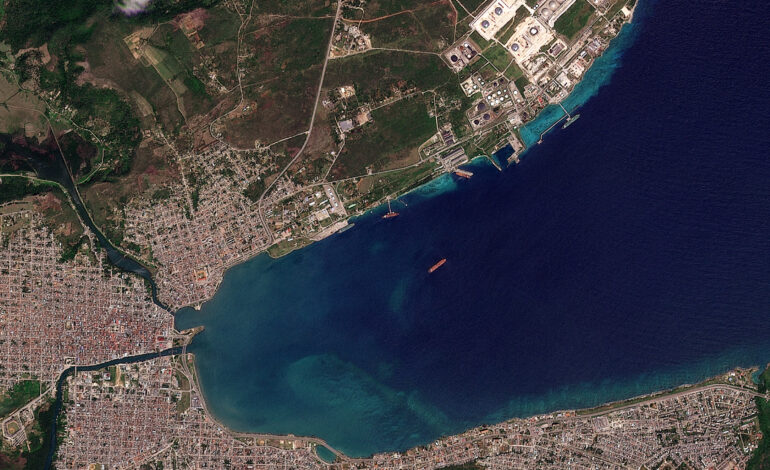
Understanding the Arrival of a Russian Oil Tanker in Cuba and Its Geopolitical Implications

The United States’ decision to allow a Russian oil tanker to dock in Cuba has sparked debate about international relations and energy politics. This article explores the geopolitical implications of this move, its impact on U.S.-Russia-Cuba relations, and the potential consequences for global energy markets.
Historical Context of U.S.-Cuba-Russia Relations
The historical triangle of U.S., Cuba, and Russia relations dates back to the Cold War era, with significant events shaping the geopolitical landscape. **The fall of the Soviet Union** marked a shift, but ties have remained complex, especially with energy collaboration between Russia and Cuba.
Why the Russian Oil Tanker Matters
The arrival of a Russian oil tanker is not just a logistical maneuver but a strategic one with **significant geopolitical implications**. This move could represent strengthening ties between Russia and Cuba, challenging U.S. influence in the region.
U.S. Policy and Strategic Interests
The decision by the U.S. to allow the tanker could be seen as part of a larger diplomatic strategy wherein **economic considerations intersect with political goals**. Understanding the U.S.’s approach provides insight into possible future actions in international policy.
Impact on Global Energy Markets
The presence of Russian oil tankers in the Caribbean could shift regional energy dynamics. **Competition and collaboration** in energy markets might evolve, affecting prices and availability within the region and beyond.
Conclusion
The U.S.’s decision in this geopolitical context suggests a nuanced perspective on international diplomacy. Allowing the Russian tanker in Cuba is a chess move in global energy politics, reflecting a balance between confrontation and cooperation. Understanding these dynamics can offer insights into future policy directions and international relations.