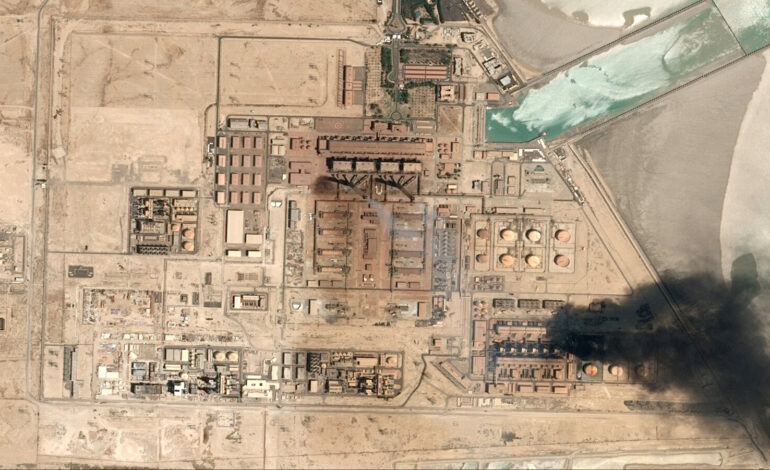
The Strategic Importance of Desalination Plants in the Middle East Amidst Conflict

Desalination plants in the Gulf region are under significant threat as conflicts escalate, posing risks to vital water supplies for civilians. This article delves into the strategic importance of these facilities, exploring their role in ensuring water security and the challenges faced amidst regional instability.
The Vital Role of Desalination Plants
Desalination plants are a crucial source of potable water in the Gulf countries, where natural freshwater resources are scarce. These facilities transform seawater into drinkable water, supporting millions of civilians in the arid landscape of the Middle East.
Challenges in the Gulf Region
The Middle East is rife with political and military conflicts that threaten the security of desalination plants. These facilities are often targeted during hostilities, risking severe humanitarian crises if operations are disrupted.
International and Regional Measures
Strategies to protect desalination plants include international cooperation and robust security measures. Invested parties are urged to implement strict safety protocols and collaborate on peace-building initiatives to safeguard these essential water sources.
Conclusion
In conclusion, desalination plants are indispensable infrastructures that provide crucial water resources in the arid Middle East. Despite ongoing regional conflicts, safeguarding these facilities is vital for ensuring civilian access to water, thereby emphasizing the need for comprehensive security measures and international support to protect these strategic assets.