
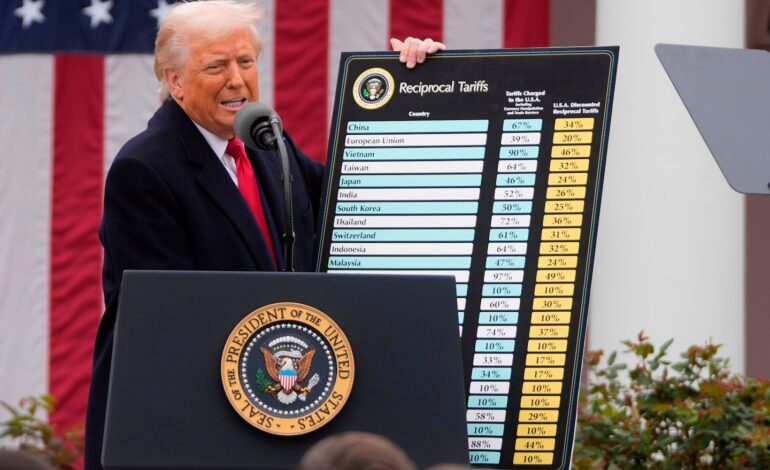
Trump’s Tariff Strategy and Its Legal Implications: A Deep Dive

In a move that has sparked legal scrutiny, Trump’s administration leveraged a 1930 trade law to impose tariffs on Canada. This article delves into the legal challenges potentially arising from this strategy, its economic implications, and the historical context surrounding this contentious issue.
Understanding the 1930 Trade Law
The 1930 trade law, specifically the Smoot-Hawley Tariff Act, was originally designed to protect American industry during a time of economic strife. By imposing high tariffs on imports, it sought to encourage local production. Yet, its application in modern times raises questions about its relevance and legality.
Trump’s Rationale for Imposing Tariffs on Canada
President Trump’s administration claimed that tariffs on Canada were necessary to protect national security and support domestic industries. However, critics argue that this use of the 1930 law might be an overreach, potentially causing trade tensions and economic disruptions.
Legal Challenges and Potential Impacts
The introduction of tariffs using a decades-old law has not gone without legal challenges. Experts anticipate that the courts may need to interpret the law’s applicability in today’s global trade environment, which could lead to significant policy implications for U.S. trade strategy moving forward.
Conclusion
The legal challenges against Trump’s tariff strategy using a 1930 trade law highlight the complexities of international trade laws and economic diplomacies. The outcome could redefine the application of historic trade laws, impacting future U.S.-Canada trade relations and setting precedents for similar economic strategies.