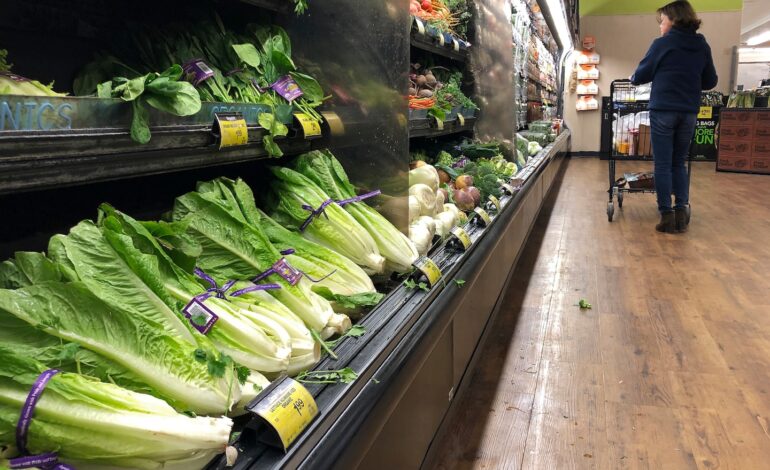
Cyclospora Outbreak: Why You Should Keep Eating Fruits and Vegetables

The recent rise in cyclospora outbreaks has raised concerns about the safety of consuming fruits and vegetables. However, the health benefits of these foods far outweigh the risks. In this article, we’ll explore why you should continue to include fruits and vegetables in your diet despite these outbreaks.
What is Cyclospora and How Does it Spread?
Cyclospora cayetanensis is a microscopic parasite that causes diarrhea illness. It is transmitted through food or water contaminated with feces. Often linked to fresh produce, the parasite is a concern but can be managed with proper food handling practices. Understanding its lifecycle and transmission is crucial in preventing outbreaks.
The Undeniable Health Benefits of Fruits and Vegetables
Despite fears around cyclospora, fruits and vegetables remain essential to a healthy diet. They provide vital nutrients like vitamins, minerals, and dietary fiber, which are important for maintaining a healthy immune system, reducing the risk of chronic diseases, and promoting overall well-being.
Practical Tips for Safe Consumption
To minimize risks while enjoying the benefits of produce, practice proper food safety measures. Wash fruits and vegetables thoroughly under running water and use a brush for firmer produce. Consider buying from reputable sources and pay attention to food recalls and safety updates to avoid cyclospora contamination.
Conclusion
While cyclospora outbreaks are a legitimate concern, they are no reason to eliminate fruits and vegetables from your diet. By understanding cyclospora, recognizing the health benefits of produce, and applying safe consumption practices, you can continue to enjoy these essential foods without unnecessary fear.