

In a world where digital purchases dominate, the concept of ownership becomes blurred. This article delves into the limitations of digital ownership rights and explores why consumers are gravitating back towards DVDs as a more tangible means of possession.
The Illusion of Digital Ownership
Many consumers assume that purchasing digital content is akin to buying physical goods. However, digital ownership often comes with significant restrictions, dictated by licensing agreements that can revoke access or modify content without warning.
Limitations and Risks of Digital Purchases
Unlike physical media, digital content can be subjected to changes, restrictions, or even removal by the provider. Notably, digital transactions often grant users a license to view the content rather than true ownership.
The Resurgence of DVDs
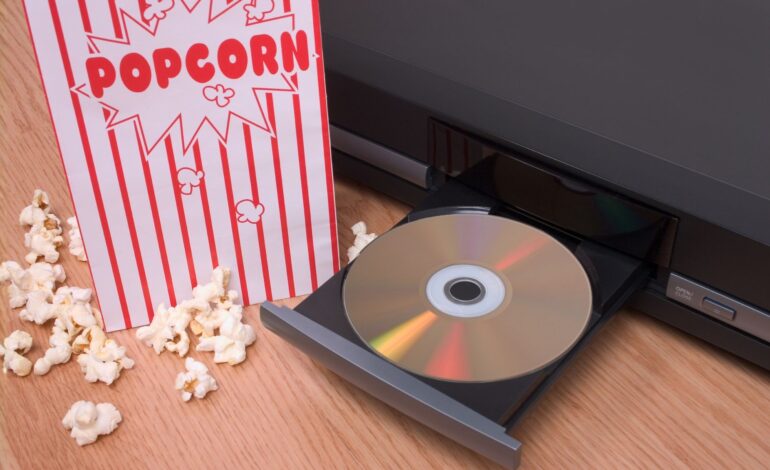
Given the uncertainties surrounding digital purchases, DVDs offer a sense of permanence and security. They allow uninterrupted access and genuine ownership, independent of providers’ whims.
Consumer Preferences and Future Trends
Amid concerns over digital rights, consumer preferences may increasingly favor physical media. This shift underscores the growing desire for control, stability, and genuine ownership over purchased content.
Conclusion
The rise of DVDs highlights the limitations of digital purchases and the importance of real ownership. As consumers become more aware of licensing pitfalls, physical media may continue to gain traction, offering a reliable alternative in an ever-evolving digital landscape.