Impact of TPS Revocation on Labor Market Amidst Growing Concerns

As many immigrants face the loss of their Temporary Protected Status (TPS) in the United States, employers are becoming increasingly concerned about potential labor shortages. This development may have significant impacts on industries heavily reliant on immigrant workers. The discussion will delve into how this shift affects both the economic landscape and immigrant communities nationwide.
Understanding Temporary Protected Status (TPS)
Temporary Protected Status (TPS) is a designation given to immigrants from countries experiencing conflict or natural disasters. It allows them to live and work in the U.S. safely. However, recent changes in the political climate threaten to revoke this status, impacting many residents and their employers.
Economic Implications of TPS Revocation
Employers across various sectors, like agriculture and hospitality, are raising alarms about potential labor shortages due to TPS revocations. Immigrants often fill crucial roles, and their numbers dwindling could affect productivity, increase operational costs, and escalate market prices due to lack of staff.
The Human Aspect: Immigrant Challenges
The revocation of TPS not only affects employers but also puts immigrants in precarious situations. Many immigrants will face uncertainty about their future, leading to anxiety and making it difficult to plan long-term. The logistical and emotional toll on these communities requires urgent attention and resolutions.
Policy and Community Responses
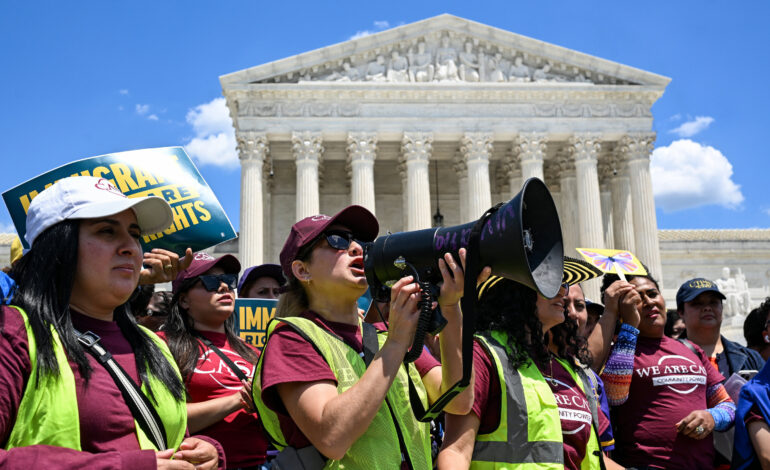
Various government agencies and community organizations are stepping up to mitigate impacts by advocating for policies that protect affected individuals. This includes lobbying for extensions or new legislation that could safeguard immigrant workers’ statuses, thus alleviating looming labor shortage fears among employers.
Conclusion
In conclusion, the potential loss of TPS for many immigrants poses significant threats to labor markets and immigrant communities. Addressing these challenges requires comprehensive policy responses and community support. By finding solutions to stabilize the workforce, economic stability and community welfare can be maintained amidst shifting immigration landscapes.