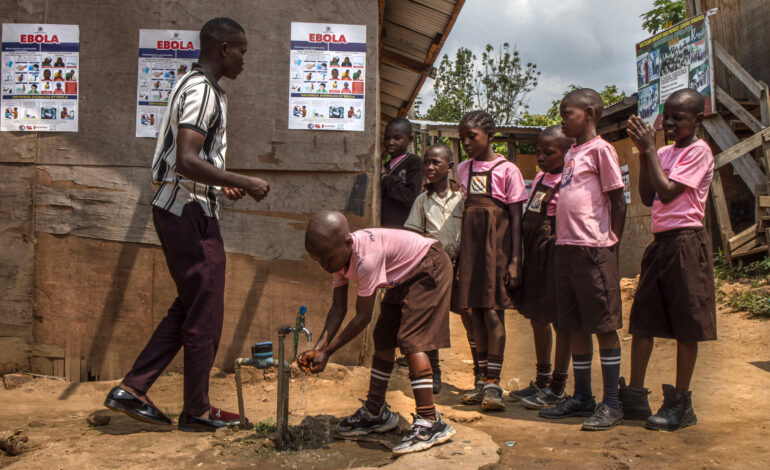
How an Ugandan Town Overcame Ebola: Lessons from the Past

Twenty years after battling one of the most significant Ebola outbreaks, an Ugandan town near the Congo border serves as a beacon of hope and resilience in disease control. This article explores how the town’s experiences from two decades ago have shaped a robust response to new threats, offering key insights into successful epidemic management.
A Look Back: The Ugandan Ebola Outbreak
The turn of the millennium was a challenging time for Uganda as the Ebola virus struck with lethal force. **Communities** were devastated, and health systems were stretched thin while battling the contagion. Lessons learned during this period laid the groundwork for transformation. *Healthcare infrastructure*, initially rudimentary, underwent substantial improvements as a direct response to this health crisis.
Transforming Health Systems
In the aftermath of the Ebola outbreak, **Uganda** invested heavily in its healthcare system. Efforts were focused on enhancing early detection capabilities, increasing the number of trained healthcare professionals, and establishing rapid response teams. These **measures** not only boosted Uganda’s capacity to handle infectious diseases but also improved overall public health outcomes.
Community Engagement and Education
Community involvement has been central to Uganda’s successful approach to epidemic control. By engaging locals through education programs on prevention and treatment, authorities have cultivated a well-informed citizenry. **Community leaders** play a vital role, addressing cultural beliefs and promoting trust in modern medical practices, thereby reducing resistance to vaccination and treatment initiatives.
Collaboration Across Borders
The porous nature of the Uganda-Congo border requires exceptional **cross-border collaboration** in managing infectious diseases like Ebola. Through cooperative efforts with neighboring Congo and international health organizations, **Uganda** has developed collaborative strategies to monitor and respond to health threats, ensuring a coordinated and effective response to Ebola and similar challenges.
Conclusion
The resilience and proactive measures exhibited by the Ugandan town highlight the importance of learning from past experiences to tackle current health crises. Community engagement, strengthened health systems, and cross-border cooperation have been crucial. As a result, the town stands as a testament to effective epidemic management, offering valuable lessons for global public health responses.