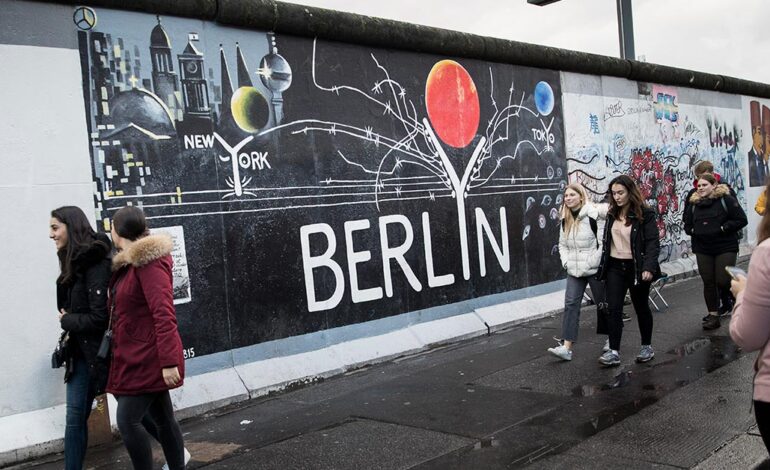

Germany celebrates over three decades since the Berlin Wall’s fall, yet socio-political divisions persist. This article delves into the ways Germans remain divided despite physical reunification, analyzing attitudes towards governance and immigration while assessing the economic and social consequences of these divides.
A Legacy Beyond the Wall
The fall of the Berlin Wall on November 9th, 1989, marked a turning point in history, promising reunification for Germany. Yet, the collapse did not instantly dissolve the differences that had developed over decades of separation. Those living in the East and West had built different lifestyles, shaped by distinct political and social systems, which persist today.
Political Divides in Contemporary Germany
Germany, though politically unified, experiences a noticeable divide in political ideology and policy preferences. The East tends to lean towards right-wing parties while the West often supports more centrist candidates. This distinction reflects deeper historical and cultural divides, paving a complex political landscape that challenges harmony.
The Economic Disparity
Despite substantial investments in Eastern Germany following reunification, economic differences remain. The West generally enjoys higher wages and better employment opportunities, posing challenges for a seamless national economy. This chapter explores how such economic disparities continue to affect social cohesion and influence migration within Germany.
Social and Cultural Reflections
The divisions are not solely political and economic; they extend to societal and cultural levels. Different attitudes towards issues like immigration and integration continue to reflect the intricate fabric of German identity. While younger generations strive towards new identities, older generations often stick to historical memories.
Steps Towards Unification
Efforts to bridge the divide continue through dialogue and policies aimed at understanding and reconciliation. Embracing cultural diversity while striving for economic equity can steer Germany towards a future where differences serve as a source of strength. Collaborative political efforts and community-driven initiatives are essential in this journey.
Conclusão
While the Berlin Wall no longer stands, divisions in Germany endure. Cultural, political, and economic factors play pivotal roles in maintaining these divides. Understanding and addressing them can pave the way toward a more unified national identity, emphasizing cooperation over division.