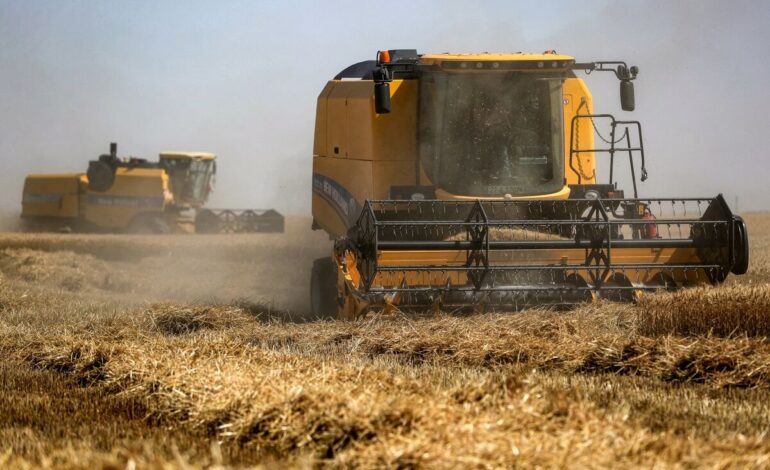

Iraq has announced plans to abstain from wheat imports for key state rations for the third consecutive year. This strategic move underscores the nation’s journey towards self-sufficiency in agricultural production, a significant pivot from its previous dependency on imports. This article explores the implications of Iraq’s policy and its impact on the domestic agriculture sector.
Background: Iraq’s Historical Dependence on Wheat Imports
For decades, Iraq relied heavily on wheat imports to fulfill the demands of its Public Distribution System (PDS), which provides essential food rations to citizens. The country’s tumultuous history, marked by conflicts and economic sanctions, severely impacted domestic agriculture, making imports a necessity to ensure food security.
Current Strategy: Emphasis on Agricultural Self-Sufficiency
In recent years, Iraq has made significant strides towards agricultural self-sufficiency. The government has implemented policies promoting domestic wheat production, supported by advancements in farming techniques and infrastructure improvements. This shift aims to reduce reliance on external sources and enhance national food security.
Challenges and Opportunities in Local Wheat Production
While the push for self-sufficiency presents numerous opportunities, such as boosting local economies and fostering innovation, it also poses challenges. Iraq must contend with water scarcity, climate change, and the need for continued investment in technology and resources to sustain and increase wheat output.
Implications for Global Wheat Markets
Iraq’s decision to avoid wheat imports for the third year potentially impacts global wheat markets. As a previous major importer, Iraq’s withdrawal from the international market could alter demand dynamics, influence prices, and prompt other countries to reassess their agricultural strategies amid the changing landscape.
Conclusão
Iraq’s determination to abstain from wheat imports marks a pivotal move towards agricultural autonomy. By investing in local production, Iraq aims to secure its food supply chain and lessen global market dependency. This policy not only reshapes Iraq’s economic landscape but also signals broader trends in global agriculture, emphasizing sustainability and self-reliance.