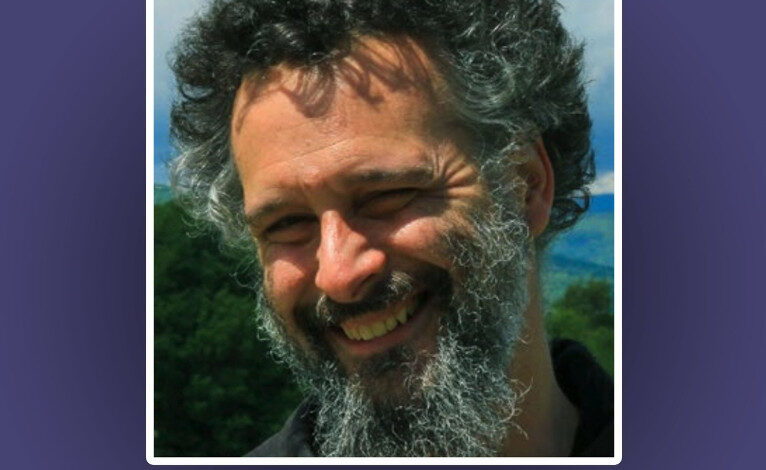

Artificial Intelligence (AI) advancements promise incredible possibilities, but they also pose significant unseen risks. Educator and philosopher Zak Stein explores how AI could potentially harm future generations if not carefully managed, spotlighting the vital balance needed to harness AI responsibly.
Understanding AI’s Unseen Risks
In recent years, Artificial Intelligence (AI) has become an integral part of various sectors, from healthcare to finance. However, as AI continues to evolve, it brings with it hidden risks that are often overlooked. Zak Stein, a prominent educator and philosopher, emphasizes the importance of addressing these risks before they manifest as significant societal issues. AI systems, while efficient, can perpetuate biases and make decisions that are difficult to scrutinize. Without proper oversight, AI has the potential to exacerbate inequalities and infringe on privacy, highlighting the urgent need for ethical frameworks and regulations.
Impact on Future Generations
The implications of unchecked AI advancements extend beyond the present, potentially affecting future generations. Zak Stein raises concerns about the educational and developmental impacts AI could have on young minds. AI-driven technology in educational settings may lead to a homogenized learning experience that stifles creativity and critical thinking. Furthermore, reliance on AI for decision-making could diminish human agency, leaving future generations ill-equipped to deal with unprecedented challenges. To prevent these outcomes, it is crucial to integrate ethical and educational considerations into AI development and deployment strategies.
Creating a Sustainable AI Future
To safeguard the prospects of future generations, we must strive for a sustainable approach to AI development. This involves fostering collaboration among policymakers, educators, technologists, and ethicists to create comprehensive guidelines that prioritize humanity’s well-being.
- Develop stringent ethical standards for AI systems.
- Encourage transparency and accountability in AI decision-making.
- Invest in education that prepares future generations for an AI-driven world.
By focusing on these key areas, we can harness the benefits of AI while mitigating its potential risks, ensuring a thriving future for all.
Conclusion
AI holds immense potential but also harbors risks that could jeopardize future generations. Zak Stein’s insights shed light on the necessity of ethical guidelines and educational reforms to address these challenges. By embracing a proactive approach, we can navigate the complexities of AI responsibly, safeguarding the future while leveraging AI’s capabilities for societal progress.