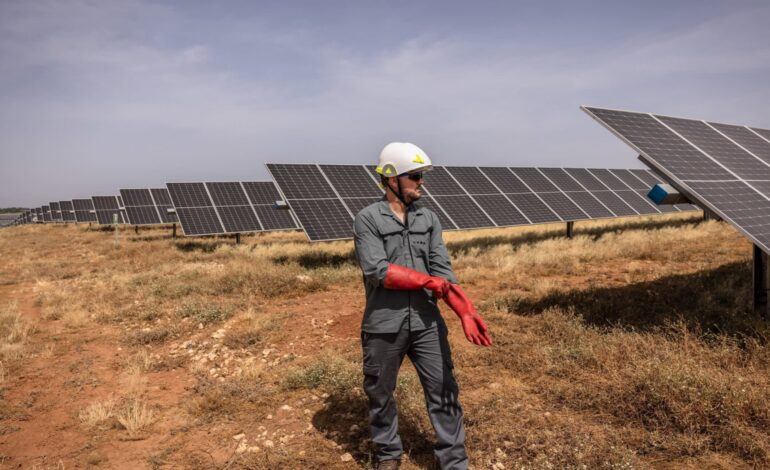

Europe’s energy market is experiencing unprecedented changes, turning traditional power dynamics on their head. This article explores the factors driving these shifts and the implications for the future of energy in the region. From regulatory impacts to market fluctuations, we delve into the lessons learned and strategic adaptations made in response to these changes.
The Traditional Power Market Dynamics
Historically, Europe’s energy market operated under straightforward dynamics with predictable supply and demand trends. **Energy production** primarily depended on fossil fuels, with **traditional utilities** dominating the landscape. However, change began brewing as environmental awareness and technological innovation surged.
Regulatory Impacts and Green Energy Policies
As the **European Union** prioritized environmental goals, a host of regulations emerged to incentivize renewable energy. Policies such as the **European Green Deal** shifted market priorities, pushing investments toward sustainability. This led to a competitive landscape where renewables started gaining ground over conventional energy sources.
Market Fluctuations and Energy Prices
The energy market began reacting to these regulatory changes with increased **volatility in energy prices**. Factors such as **weather conditions**, technology costs, and geopolitical tensions further influenced fluctuations, forcing industry players to rethink strategies and embrace flexibility.
Technological Innovations and Their Role
*Technological advancements* in energy storage and smart grids offered new ways to integrate renewables efficiently. This transformation enabled more precise energy management, reducing reliance on traditional fuel sources and paving the way for a **smarter, decentralized energy system**.
The Future of Europe’s Power Market
Looking forward, Europe’s power market is poised for continued evolution. *Stakeholders* must adapt to a landscape centered on sustainability, innovation, and adaptability. With ongoing challenges, such as supply chain uncertainties, the ability to navigate these shifts will define future success in the energy sector.
Conclusion
Europe’s upside-down power market exemplifies the dynamic nature of the energy industry amidst shifting regulations and technological advancements. The region’s experience highlights the criticality of adaptability, emphasizing that future success hinges on embracing innovation and sustainable practices. As Europe models this evolution, it sets a global precedent for navigating the complex energy transitions ahead.