The Lingering Shadows of the Nanjing Massacre on China-Japan Relations

The Nanjing Massacre remains a profoundly painful chapter in World War II history, deeply influencing contemporary China-Japan relations. This article explores how historical events cast long shadows over diplomatic ties, shaping political discourse and public sentiment in both nations.
Historical Context: The Infamy of 1937
The Nanjing Massacre, which began in December 1937, was a horrific episode in which Japanese troops captured the then-capital of China, committing widespread atrocities against civilians and soldiers. This period left a deep scar on Chinese society and remains a critical point of historical grievance.
Evolving Narratives and Interpretations
Over the decades, the interpretations of the massacre have varied greatly between China and Japan. While China views the events as a wartime atrocity requiring acknowledgment and apology, some factions in Japan have been accused of downplaying the incident, creating significant diplomatic friction.
Diplomatic Efforts and Challenges
The diplomatic efforts between China and Japan have often been complicated by the legacy of the Nanjing Massacre. Efforts at reconciliation often clash with nationalistic sentiments, making it challenging to move beyond historical grievances to foster a constructive bilateral relationship.
Public Sentiments and Media Portrayal
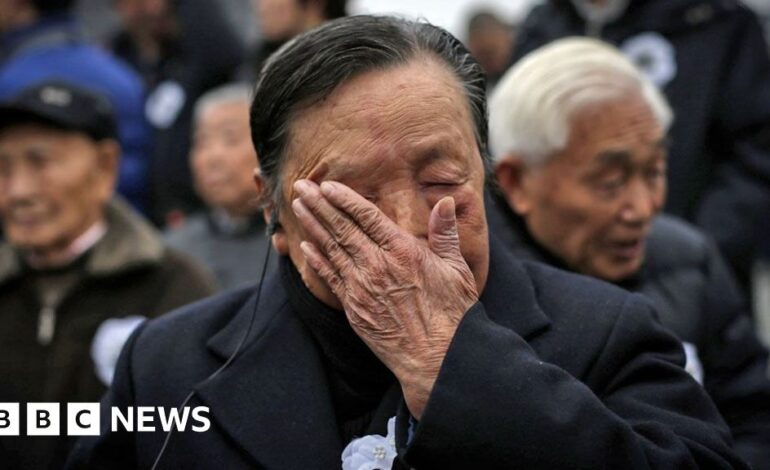
Public sentiment in both nations is heavily influenced by media portrayal of the Nanjing Massacre. In China, it is often highlighted as a symbol of national suffering, while in Japan, it prompts debates about war memory and education. This media-based narrative plays a crucial role in shaping bilateral public perceptions.
Looking Forward: Towards Reconciliation
Despite these historical entanglements, both nations have opportunities to improve their relations. Efforts focused on educational exchanges, economic partnerships, and mutual cultural understanding might pave the way for a more harmonious future, less burdened by the shadows of the past.
Conclusion
The Nanjing Massacre continues to influence China-Japan relations, demonstrating the enduring power of historical memory. While the path to reconciliation is fraught with challenges, mutual understanding and diplomatic engagement remain essential for overcoming past grievances and building a cooperative future.