
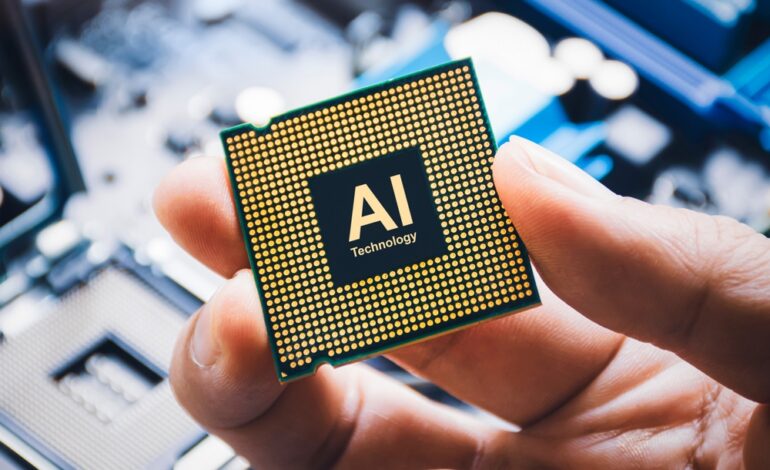

Artificial intelligence (AI) development is heavily reliant on hardware. However, the concentration of popular hardware choices can limit innovation and market resilience. This article explores alternative strategies to access hidden layers of AI hardware, enhancing both performance and diversity in technology solutions.
The Challenges of Hardware Concentration in AI
Most AI initiatives today depend on a limited selection of hardware providers, leading to a concentration that poses several risks. Market dependence on a few suppliers can result in increased costs and vulnerability to supply chain disruptions. Additionally, the lack of competition can stifle innovation, preventing new technologies from emerging. Diversifying hardware options is crucial for creating a resilient and dynamic AI ecosystem capable of adapting to changing demands and innovations. Without a broader range of hardware options, advancements in AI technology may be hindered, further exacerbating the pitfalls associated with hardware concentration. To address this, it’s essential to seek out less conventional and more versatile hardware solutions that can support the varied and growing needs of AI applications.
Exploring Alternative AI Hardware Solutions
Expanding beyond traditional hardware choices can unlock potential for creativity and efficiency in AI applications. Companies are now experimenting with field-programmable gate arrays (FPGAs) and application-specific integrated circuits (ASICs) as flexible and cost-effective alternatives to conventional hardware. FPGAs allow for tailored configurations, providing adaptability in processing demands, while ASICs offer performance gains through specialization. Implementing these alternative solutions can disperse reliance on major hardware suppliers, fostering an environment where more tailored, high-performance innovations can thrive. As industries continue to explore these options, the diversity of AI hardware is growing, resulting in increased opportunities for businesses to optimize performance and cost.
The Future of AI with Diverse Hardware
The trend towards diversifying AI hardware presents a future where competition fosters innovation, driving the sector forward. New entrants in the hardware market introduce fresh perspectives and technologies that challenge existing norms. This shift encourages more dynamic and competitive markets, enhancing resilience against economic or technological disruptions. Additionally, a robust ecosystem of hardware options equips AI developers with the tools necessary to implement solutions that are more efficient, sustainable, and adaptable to ever-evolving demands. As the AI industry continues to grow, the importance of hardware diversity will only increase, playing a crucial role in the overall success and advancement of AI technologies.
Conclusion
To navigate the challenges of AI hardware concentration, embracing a diverse array of hardware solutions is crucial. By leveraging various technologies such as FPGAs and ASICs, developers can enhance resilience and innovation. As the industry progresses, these diverse hardware options will be key to sustainable, competitive AI development, ensuring long-term growth and adaptability.