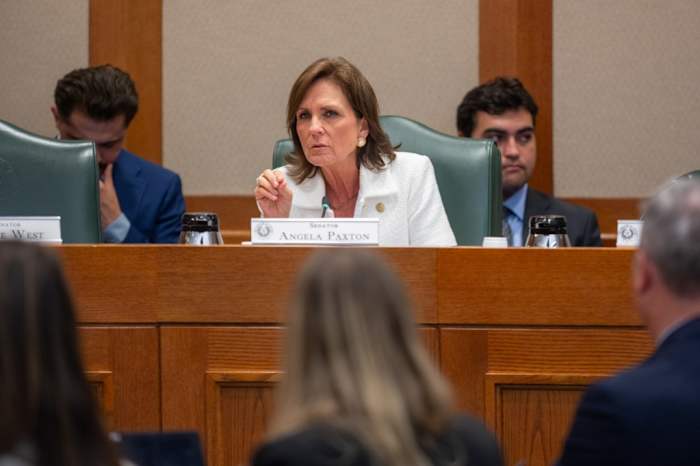

In a surprising bipartisan move, Texas lawmakers are jointly voicing their opposition to former President Trump’s executive order that directly targets state AI regulations. This potential standoff highlights the complexities of balancing federal influence with state governance, especially in the rapidly evolving field of artificial intelligence.
The Executive Order and Its Implications
Former President Trump issued an executive order aiming to overhaul state-level artificial intelligence regulations, intending to unify rules across the nation. The move, however, raised significant concerns in states like Texas, where both Republican and Democratic lawmakers feel it undermines local autonomy. The directive attempts to streamline AI guidelines to foster innovation and economic growth but at the cost of state rights. Critics argue that a one-size-fits-all approach might not suit diverse state needs, particularly in a technologically burgeoning state like Texas.
Bipartisan Opposition in Texas
It is unusual for Texas lawmakers from both sides of the political aisle to align on contentious issues. In this case, however, the consensus against Trump’s order foregrounds the importance they place on state sovereignty over AI policy. Republican lawmakers voice concerns about federal overreach, while Democrats focus on the potential stifling of regulatory innovations within the state. Both parties agree that Texas requires flexibility to adapt AI laws that reflect the state’s unique technological landscape and economic aspirations.
The Future of AI Legislation in Texas
Given the robust tech industry presence, Texas is keenly aware of the necessity for state-specific regulations that cater to its growing AI sector. Lawmakers are striving to draft AI policies conducive to innovation and business development while prioritizing ethical considerations and data privacy. The confrontation with federal attempts to standardize regulations could shape future state and national legislative dynamics, setting a precedent for how emerging technologies are governed across the United States. Texas may become a template for other states advocating for a tailored approach to AI governance.
Conclusion
Texas’s unified response to Trump’s order underscores the significant role of state autonomy in legislative processes. As AI technology continues to evolve, the state may spearhead innovative governance strategies, balancing federal initiatives with local priorities. This episode marks a pivotal moment that could influence future national policy conversations on AI regulations.