
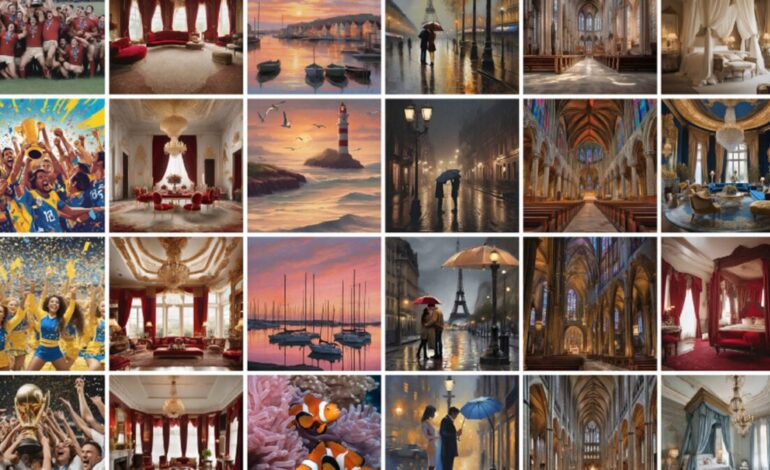

A recent study unveils that AI image generators often rely on a limited set of 12 default photo styles. This finding raises questions about the creativity and diversity of AI-generated visuals, underlying the need for more varied and inclusive algorithmic development.
The Uniformity of AI-Driven Aesthetics
AI image generators have become a popular tool for artists and designers seeking to create visuals efficiently. However, new research exposes a significant limitation: a tendency to default to a narrow selection of 12 photo styles. This uniformity stems from the datasets and algorithms used in training these models. The result is a lack of diversity in output, which stifles creativity and may lead to homogenized visual landscapes. By understanding this constraint, developers can work towards more diverse datasets and styles to enhance the creative potential of AI tools.
The Importance of Diverse Data Sets
The study highlights the crucial role of diverse datasets in AI development. Currently, many image generators draw from a limited range of sources, resulting in a repetitive style output. For AI to truly innovate, it must be exposed to a broader spectrum of styles. This includes incorporating images from different cultural, historical, and artistic backgrounds, ensuring not only technical diversity but also cultural representation. Such inclusivity could drive AI’s capability to produce unique and inspirational artworks, reflecting the vast array of human creativity.
Future Directions for AI Creativity
To overcome the limitations identified in the study, future AI development must prioritize variability in training data and algorithm design. This means investing in more eclectically-curated datasets and refining algorithms to be more adaptive to new and novel styles. In doing so, AI can transcend its current aesthetic constraints and contribute more significantly to the art and design sectors. Additionally, collaboration between technologists, artists, and cultural experts will be key in shaping AI tools that are not only technically advanced but also resonate with human creativity on a deeper level.
Conclusion
The study sheds light on the need for expanding the creative capabilities of AI image generators. By focusing on diverse datasets and innovative algorithms, AI can break free from aesthetic constraints and enhance its role in visual creativity. This evolution will require collaboration across various fields to ensure technologically and culturally rich outputs.


