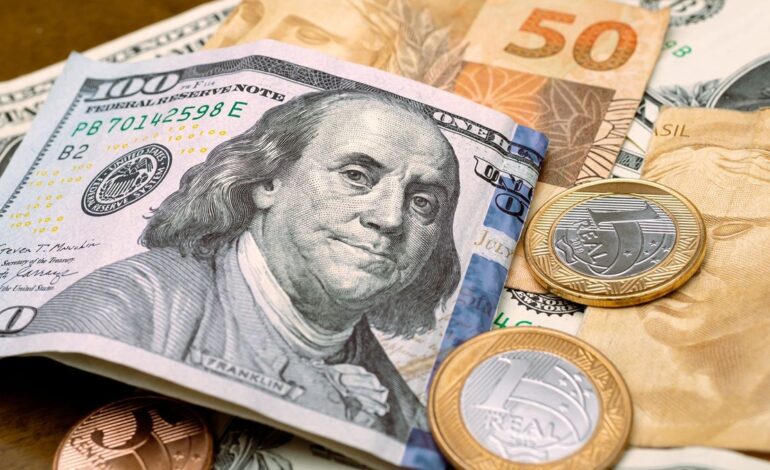

The currency flow in Brazil plays a pivotal role in the country’s financial ecosystem, influencing market trends and economic stability. In this article, we delve into the intricate details of Brazil’s exchange rate dynamics, examining key factors that impact this complex system and offering insights into its broader implications on both national and global scales.
The Basics of Currency Flow in Brazil
The currency flow, or fluxo cambial, in Brazil is fundamentally about the movement of foreign currencies in and out of the country. It affects the exchange rates and is influenced by various factors such as trade balances, foreign investments, and governmental policies. Understanding these elements provides a foundation for analyzing Brazil’s financial health.
Factors Influencing Brazil’s Exchange Rates
Several factors play crucial roles in shaping Brazil’s exchange rates. Chief among them are the trade balance, foreign direct investments (FDI), and speculative capital flows. Trade balance deals with the country’s export and import activities, whereas FDI reflects foreign business investments in Brazil, and speculative flows involve short-term capital movements driven by market sentiment.
Impacts of Exchange Rate Changes on the Economy
Fluctuations in exchange rates have significant implications for Brazil’s economy. A strong Real can curb inflation but may hurt exports by making them more expensive for foreign buyers. Conversely, a weaker Real might bolster exports but can lead to increased inflation. This delicate balance requires careful monetary policy management by financial authorities.
Global Influences and Brazil’s Currency Stability
Brazil’s currency stability is also affected by global economic phenomena. Events such as changes in U.S. interest rates, global trade policies, and international commodity price fluctuations can alter investor perceptions and currency values. Understanding these global contexts is essential for stakeholders looking to grasp the complete picture of Brazil’s currency flow.
Strategies for Managing Exchange Rate Risks
To mitigate the risks associated with exchange rate volatility, companies and investors in Brazil may employ various strategies including hedging currency risks through financial instruments like derivatives, diversifying investment portfolios, and focusing on market research to anticipate trends. Such strategies are vital for ensuring financial resilience in a volatile environment.
Conclusion
Understanding the flux of Brazil’s currency market is crucial for stakeholders. From domestic policies to global influences, these factors collectively determine the economic landscape. Anticipating and managing these dynamics helps cushion against financial volatility, paving the way for economic stability and growth. Ensuring a balanced approach to exchange rate management remains essential for Brazil’s fiscal health.