Venezuela: A Crucial Factor in Shaping Trump’s Legacy and America’s Global Position

This article delves into the critical role Venezuela plays in defining former President Donald Trump’s legacy and recalibrating America’s stance in the global arena. Examining the geopolitical and economic dimensions, we explore how U.S. actions towards Venezuela reflect broader themes in American foreign policy.
Venezuela’s Geopolitical Significance
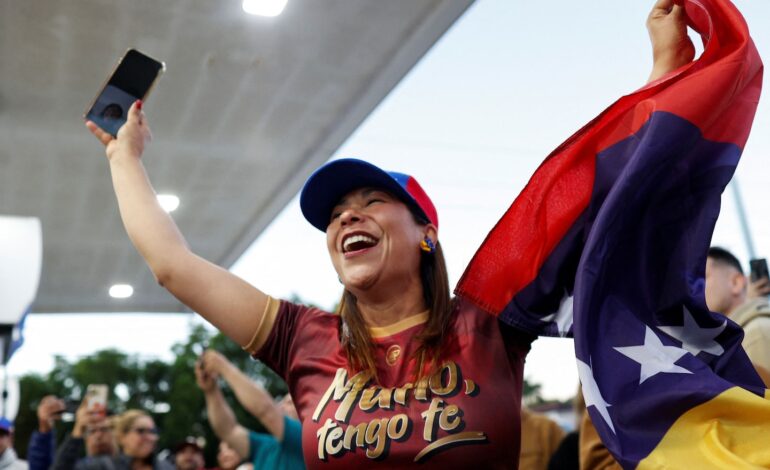
The complex political climate in Venezuela has longstanding implications for U.S. foreign policy. Influential in global energy markets and a voice in regional politics, Venezuela’s relationship with the U.S. plays a significant role in shaping diplomatic priorities and strategic alliances worldwide.
Trump’s Approach to Venezuela
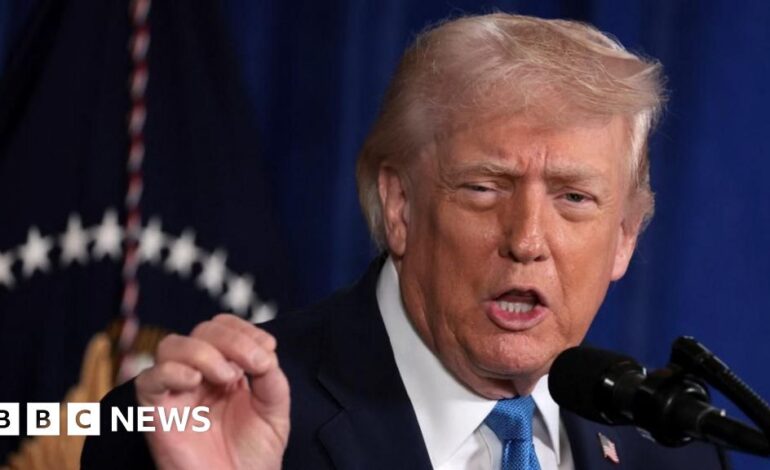
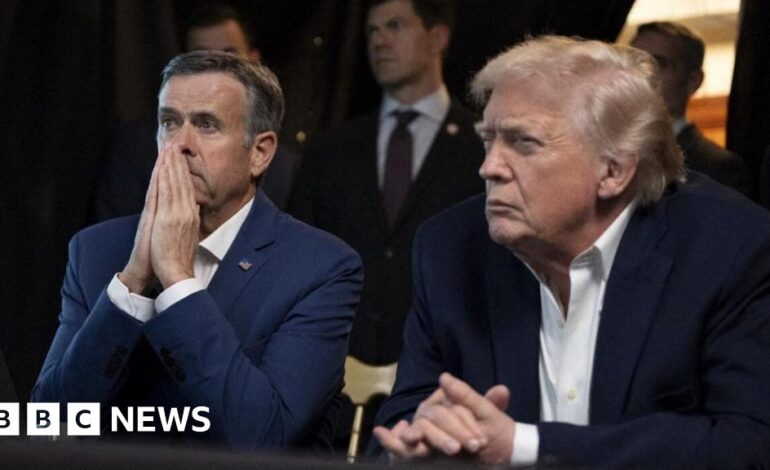
Under the Trump administration, the U.S. adopted a firm stance against Nicolás Maduro’s government. **Sanctions**, diplomatic isolation, and endorsement of opposition leader Juan Guaidó were central themes. This approach aimed to project U.S. influence and push for democratic changes, igniting debate over interventionism versus maintaining sovereignty.
Broader Implications for U.S. Foreign Policy
The Trump administration’s policies on Venezuela underscore broader implications for U.S. engagement in global affairs. Such decisions reflect and influence America’s image internationally, defining its role as a promoter of democracy while navigating the complexities of geopolitical power dynamics.
Conclusion
In conclusion, Venezuela serves as a pivotal juncture affecting both Trump’s legacy and America’s international image. The U.S. strategies adopted during this period highlight prevailing themes in global diplomacy and underscore the ongoing balancing act between interventionism and respect for sovereignty.