Decoding Nutritional Dilemmas: The Hidden Complexities of National Dietary Guidelines

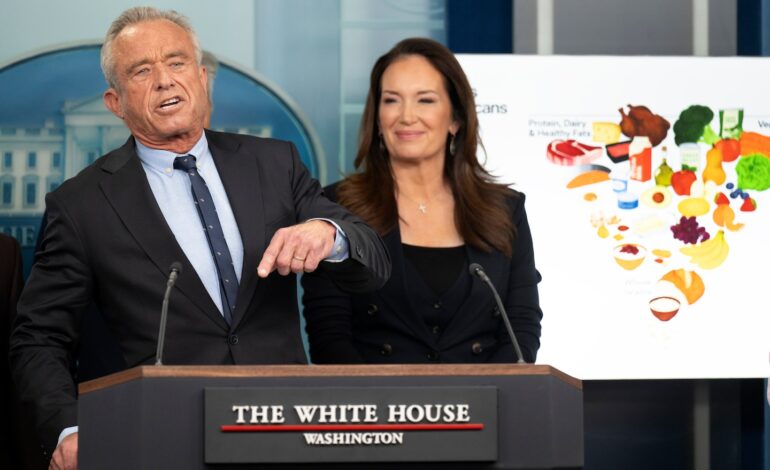
National dietary guidelines aim to provide a framework for healthy eating, but they often fall short of accounting for individual needs and bio-individuality. This article delves into the complexities and shortcomings of one-size-fits-all nutritional advisories, exploring why these government-issued guidelines can sometimes lead to confusion and misinterpretation.
The Historical Context of Dietary Guidelines
Since their inception, national dietary guidelines have aimed to provide a common-sense approach to nutrition, designed to curb the rising tides of obesity and related illnesses. However, evolving scientific understandings have often left these recommendations outdated or oversimplified, failing to address individual health needs.
Limitations of a One-Size-Fits-All Approach
National guidelines often neglect the importance of bio-individuality, a concept that highlights the unique nutritional requirements of each person based on genetics, lifestyle, and health conditions. This oversight can lead to generalized advice that fails to optimize health for diverse populations.
The Influence of Politics and Industry
Political and industrial influences often seep into the advisory processes, skewing guidelines to favor particular food industries or neglecting emerging research that contradicts established norms. This can result in advice that is not purely health-focused but rather, economically driven.
Empowering Individuals with Personalized Nutrition
In light of these challenges, there’s a growing movement towards personalized nutrition. By leveraging advancements in technology and research, individuals can develop tailor-made dietary strategies that align more closely with their unique health profiles and goals.
Conclusion
National dietary guidelines provide a foundational starting point for public nutrition but are limited by their generalized nature. To truly advance health, the future of dietary advice lies in personalized nutrition, accounting for individual differences and preferences to create more effective and impactful health strategies.