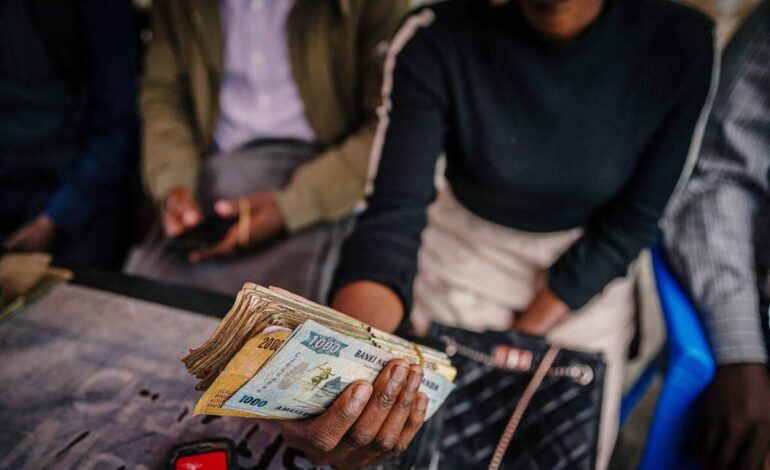

The Congo’s central bank has recently announced its plan to intervene in the currency market to curb speculation. This article will explore the motivations behind this decision, the potential economic impacts, and how it aims to stabilize the nation’s currency. Readers will gain insights into the broader financial implications for the Congolese economy.
Understanding Currency Speculation
Currency speculation involves trading in currencies with the expectation of favorable changes in exchange rates. In Congo, this has led to increased volatility in the currency market, potentially undermining economic stability and eroding consumer confidence.
The Central Bank’s Plan
The central bank’s intervention aims to stabilize the currency by implementing measures such as adjusting interest rates and controlling liquidity. This strategic move is intended to reduce erratic fluctuations and restore trust in the Congo’s monetary policies.
Economic Impacts of Intervention
By curbing speculation, the central bank hopes to achieve more predictable exchange rates, which can boost investor confidence and foster a healthier economic environment. This intervention is crucial for sustaining economic growth and protecting ordinary citizens from the negative effects of currency depreciation.
Challenges and Future Outlook
While the intervention is a proactive step, it may face resistance from market players benefiting from speculation. The central bank’s success will largely depend on its ability to effectively communicate its strategy and enforce regulations necessary to deter speculative activities in the long term.
Conclusion
The Congo’s central bank’s decision to intervene in the currency market reflects a crucial step toward stabilizing the national economy. By curbing speculation, the bank aims to foster sustainable growth and bolster investor confidence. However, ongoing vigilance and decisive action will be paramount in ensuring long-term financial stability.