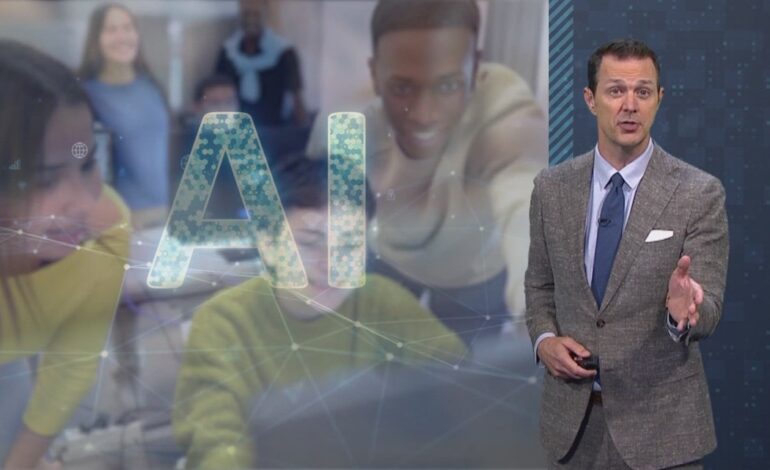

Artificial intelligence is transforming educational landscapes by being integrated into classrooms. This article examines ways to effectively empower both students and teachers to utilize AI technologies efficiently in learning environments, ensuring enhanced educational outcomes.
Understanding AI’s Role in Modern Education
Artificial intelligence has entered classrooms worldwide, revolutionizing traditional teaching methods. By offering personalized learning experiences and automating administrative tasks, AI tools enable educators to focus more on individualized student support. For students, AI provides interactive learning platforms and real-time feedback, helping them to engage more deeply with the material. Recognizing AI’s potential, educational institutions are increasingly embracing these technologies, setting the stage for a more adaptive and inclusive educational framework.
Equipping Educators with AI Competencies
To fully leverage AI’s benefits, teachers must first understand its tools and applications. Professional development programs that focus on AI literacy are crucial. These programs should provide educators with hands-on experience using AI-driven tools and offer insights into the ethical considerations of AI in education. With adequate training, teachers can incorporate AI technologies in a way that enriches learning experiences while maintaining a human touch, ensuring that educational outcomes align with both technological advancements and pedagogical best practices.
Preparing Students for an AI-Driven Future
Students today are growing up in an increasingly AI-centric world. Preparing them for future careers requires equipping them with familiarity and proficiency in AI technologies. Curriculum adjustments can introduce students to AI concepts early on, fostering an adaptive mindset. Educational partnerships with tech companies can provide resources and real-world applications of AI, keeping students informed and prepared for emerging job markets. By embedding AI literacy into education, we can address future challenges and opportunities, cultivating a generation of learners ready for tomorrow’s workforce.
Conclusion
As AI continues to permeate educational spaces, equipping students and educators with the necessary tools and knowledge is crucial. With strategic training and curriculum modifications, AI can become a powerful ally in creating dynamic, personalized educational experiences that meet the needs of diverse learners, preparing them for a rapidly evolving future.