Trump Steps Back from Greenland Acquisition and NATO Tariff Threats

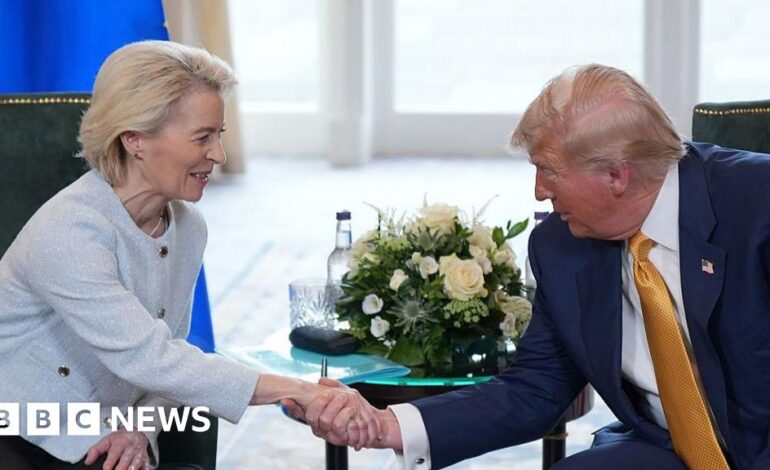
Donald Trump’s administration recently announced that the option of taking Greenland by force is off the table, along with dropping the threat of imposing tariffs on NATO allies. This marks a significant shift in the United States’ diplomatic and military strategy, ensuring a more stable and cooperative international relationship. This article explores the implications of these strategic changes.
Background of U.S. Interests in Greenland
The United States has long been eyeing Greenland due to its strategic location and natural resources. Under the Trump administration, the idea of acquiring Greenland emerged as a bold geopolitical move, initially sparking international debate. Greenland is rich in minerals and offers potential for increased Arctic influence, making it a coveted territory.
NATO and the Transatlantic Relationship
NATO plays a crucial role in sustaining peace and security across the Atlantic. The initial threat of tariffs on NATO allies stirred concerns of strained relations. These tariffs were perceived as punitive measures against nations allegedly not contributing enough to NATO’s defense spending. Withdrawal of this threat marks a step towards reinforcing the transatlantic alliance.
International Reactions and Implications
The global reaction to Trump’s recent decisions has been largely positive. Allies view the shift as a move toward stability and partnership rather than unilateral actions. This change could lead to better negotiations and joint actions in addressing international security challenges. Overall, this opens the door to dialogue reinforcing international cooperation.
Conclusion
In conclusion, Trump’s decision to retract aggressive moves constitutes a pivotal moment in U.S. diplomacy, enhancing cooperation with NATO allies and maintaining peaceful relations with Greenland. A strategic approach that balances firm leadership with diplomatic finesse could be key to fostering an international environment conducive to mutual growth and stability.