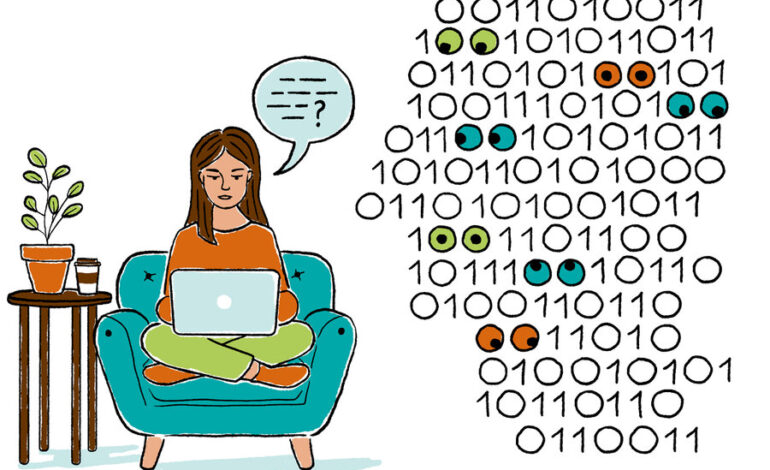

The convenience of AI in managing daily tasks has increased its integration into our lives. However, as AI’s influence grows, experts raise concerns about potential overdependence and ethical implications. This article delves into the advantages, risks, and ethical challenges of allowing AI to take the driver’s seat in everyday decision-making.
The Rise of AI in Everyday Life
Artificial Intelligence has rapidly become a staple in managing various aspects of daily life. From smart assistants that schedule appointments to AI-driven apps that suggest meals and exercise routines, the technology offers unmatched convenience. As a tool, AI can process vast amounts of data and provide personalized recommendations, simplifying decision-making processes. However, the dependency on AI for routine decisions is raising questions about its impact on human autonomy and competence. With AI handling more tasks, users may find themselves increasingly reliant on these systems, risking the erosion of critical thinking and problem-solving skills.
The Benefits of AI-Driven Decisions
The integration of AI into daily tasks offers significant benefits beyond just convenience. AI systems can analyze and optimize data faster and more accurately than humans, leading to more efficient decision-making. For businesses and individuals alike, this can mean saved time and resources. Additionally, AI can offer insights that may not be evident through human analysis alone, potentially unveiling new opportunities. Personalization is another considerable advantage, as AI can tailor recommendations based on user habits and preferences, enhancing satisfaction and outcomes. However, these benefits come with the responsibility of ensuring data privacy and accuracy to prevent misuse.
Potential Risks and Ethical Concerns
Despite its benefits, entrusting AI with daily decisions poses several risks and ethical dilemmas. One major concern is the potential for bias in AI algorithms, which could lead to skewed or unfair outcomes. There’s also the fear of AI systems being exploited for malicious purposes, such as data breaches or invasions of privacy. Furthermore, overrelying on AI might lead individuals to disengage from critical decision-making processes, causing skills degradation. As AI continues to evolve, it brings to the fore important ethical conversations about consent, transparency, and accountability, which need addressing to maintain the balance between convenience and control.
Conclusion
Embracing AI for daily decisions offers a blend of convenience and efficiency but also demands careful consideration of its implications. While AI can enhance decision-making, potential dependence and ethical concerns necessitate a vigilant approach. Ongoing dialogue and regulation are essential to ensure AI’s benefits are fully realized without compromising human agency or ethical standards.