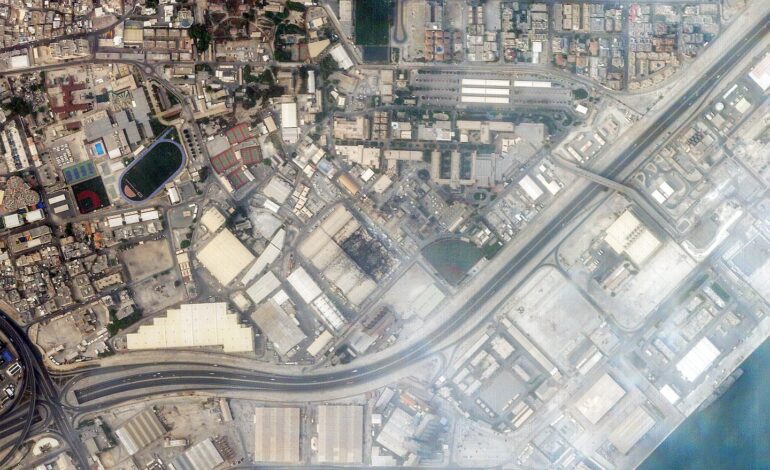
Restricted Satellite Imagery: Unveiling the Impact on Middle East Coverage

In a significant development during the ongoing conflict involving Iran, satellite companies have restricted access to imagery of the Middle East. This move has profound implications for journalists, analysts, and policymakers, who rely on these images for timely information. This article explores the reasons, ramifications, and potential solutions to this dilemma.
The Role of Satellite Imagery in Conflict Zones
Satellite imagery plays a vital role in monitoring and reporting from conflict zones, offering real-time insights into the developments on the ground. These images support journalists, humanitarian agencies, and governments in making informed decisions. The restriction of this resource has significant repercussions for transparency and public awareness.
Reasons Behind Access Restrictions
The decision to restrict access to satellite imagery could stem from security concerns, preventing sensitive information from reaching adversaries. Additionally, companies might face pressure from governments or stakeholders to limit their data sharing to protect national security interests or comply with international regulations.
Implications for Journalism and Policy Making
Limited access to satellite images challenges the ability of journalists to deliver accurate and timely reports. Furthermore, policymakers rely on this imagery for strategic decisions. The restriction could lead to increased reliance on potentially biased or less reliable sources of information, affecting trust and decision-making processes.
Potential Solutions and Future Outlook
Enhancing collaboration between satellite companies, governments, and international organizations could offer a way forward. Developing secure protocols to provide limited access for verified users might balance security concerns with the need for transparency. The future of satellite imagery in conflict zones will heavily depend on finding this balance.
Conclusion
The restriction of satellite imagery in the Middle East amid the Iran conflict highlights the tension between security and transparency. By understanding the reasons behind these restrictions and exploring potential solutions, stakeholders can work towards a future where security and information dissemination coexist, maintaining the flow of critical data for effective decision-making.