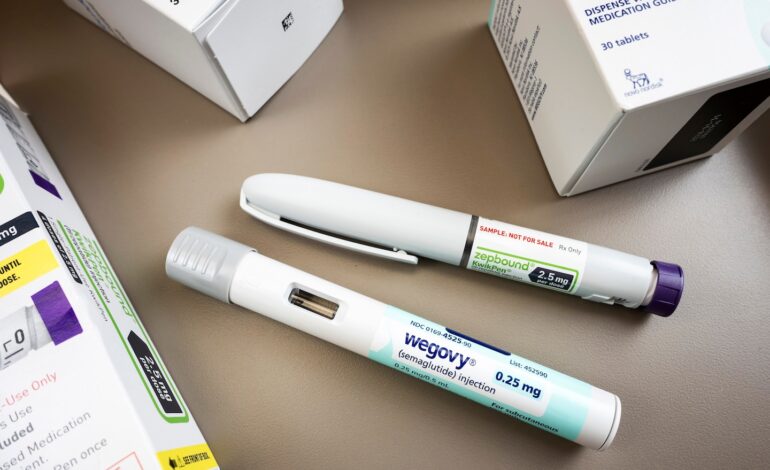
GLP-1 Ad War: Novo Nordisk Takes Eli Lilly to Court Over Misleading Claims

In a heated legal battle, Novo Nordisk has filed a lawsuit against Eli Lilly, alleging that the latter’s advertisements for GLP-1 drugs are misleading and ignore scientific evidence. This article delves into the details of the lawsuit, examines the claims from both parties, and assesses the broader impact on the pharmaceutical industry.
Background of the GLP-1 Drug Market
The GLP-1 drug market has seen rapid growth due to its effectiveness in treating conditions such as diabetes and obesity. Both Novo Nordisk and Eli Lilly have been leaders in this space, aggressively marketing their respective products. As demand for these drugs continues to rise, competition has intensified, leading to the current legal conflict.
Details of the Lawsuit
Novo Nordisk claims that Eli Lilly’s advertising campaigns misrepresent the safety and efficacy of their GLP-1 drugs. The lawsuit, which has attracted significant media attention, alleges that Eli Lilly’s ads are not only misleading but also potentially harmful by downplaying side effects and overemphasizing benefits, thus ignoring established scientific evidence.
Implications for Pharmaceutical Advertising
This legal battle sheds light on the complexities of pharmaceutical marketing. It raises ethical questions about how drugs are promoted and the role of regulatory bodies in ensuring accurate information is conveyed to consumers. The outcome could set precedents on how future drug marketing campaigns are crafted and regulated.
Potential Outcomes and Industry Reactions
As the lawsuit progresses, industry insiders are keenly observing the strategies employed by both companies. A ruling in favor of Novo Nordisk could lead to stricter regulations on pharmaceutical advertisements, while a verdict for Eli Lilly might embolden pharmaceutical companies to engage in more aggressive marketing tactics.
Conclusion
The lawsuit between Novo Nordisk and Eli Lilly underscores the competitive nature of the pharmaceutical industry, particularly in the realm of GLP-1 drugs. As this legal saga unfolds, it highlights the importance of accurate representation in drug marketing and the significant impact such disputes have on companies’ reputations and consumer trust.