
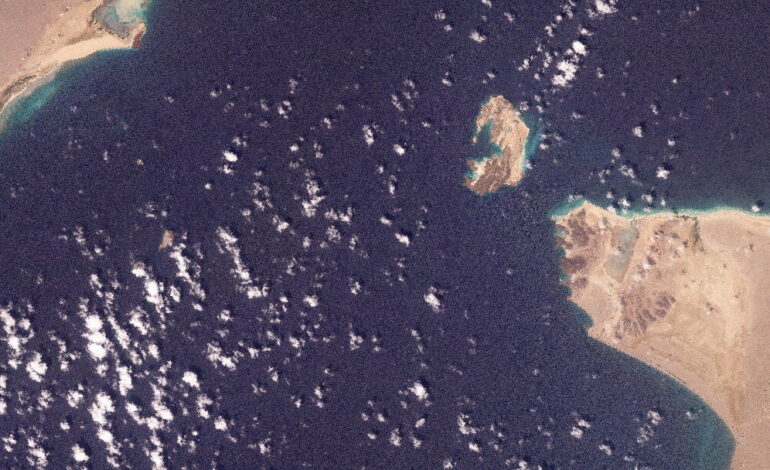
Houthis Threaten Strategic Red Sea Blockade, Endangering Global Oil Market

The ongoing tensions have escalated as the Houthis threatened a blockade of the Red Sea, a vital route for global oil distribution. This article delves into the implications of such a blockade on the international oil market, examining the geopolitical climate and potential economic repercussions.
Geopolitical Tensions in the Red Sea
The Red Sea’s strategic importance has made it a focal point for geopolitical tensions, especially with the Houthis’ recent threats to blockade this crucial passage. Historically, this region has been a hotbed for conflict due to its significant impact on global shipping routes.
Economic Implications of a Blockade
A blockade could severely disrupt the oil supply, leading to increased prices and economic instability. The Red Sea connects vital trade routes, meaning any restrictions here could have a ripple effect, exacerbating current market fluctuations and impacting global economies.
Global Oil Market Vulnerability
The oil market’s inherent volatility makes it particularly susceptible to disruptions. With supply chains intricately linked, even rumors of a blockade could affect oil prices, influencing trade policies and prompting strategic reserves legislation around the globe.
Conclusion
In conclusion, the potential Red Sea blockade by the Houthis threatens the stability of the global oil market. With geopolitical tensions escalating, the repercussions could be profound, affecting economies worldwide. Continuous monitoring and diplomatic intervention may be necessary to mitigate the looming risks and safeguard global supply chains.