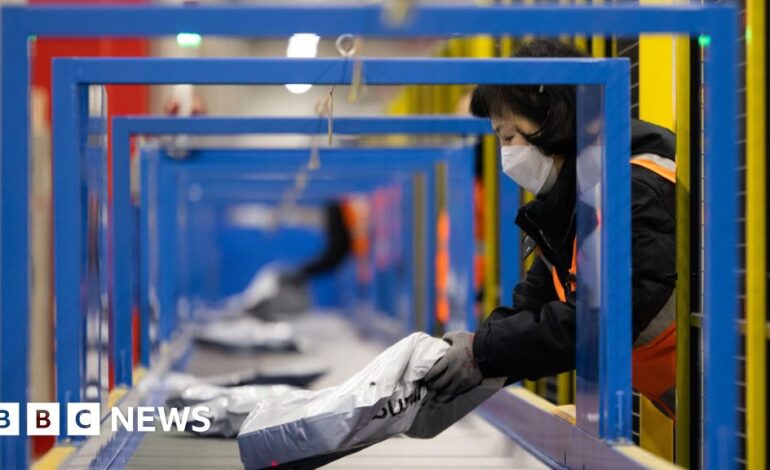
Unpacking South Korea’s Rapid Delivery: The Human Cost of Convenience

South Korea’s rapid delivery system offers unparalleled convenience, providing overnight services that satisfy consumer demands. However, the hidden costs on the courier workforce paint a stark picture. This article delves into the demanding conditions faced by delivery workers and examines the societal implications of prioritizing speed over human welfare.
The Rise of Ultra-Convenient Deliveries
Over recent years, South Korea has experienced a boom in demand for ultra-fast delivery services. Consumers have embraced the convenience of ordering items late at night and receiving them the next morning. This shift has been driven by technology advancements and competitive e-commerce platforms vying to offer the quickest deliveries.
The Hidden Challenges for Delivery Workers
Beneath the façade of convenience, delivery workers bear the brunt of demanding schedules. These couriers often face long hours, tight deadlines, and minimal rest, all to meet consumer expectations. **The pressure for speed** often results in fatigue and stress, raising concerns about the well-being of workers in this rapidly growing industry.
Societal Implications and Ethical Concerns
As South Korea’s delivery culture intensifies, ethical questions about labor practices arise. Many argue that the pursuit of convenience should not compromise basic worker rights and health. **A dialogue on policy change** is essential to address these issues, ensuring fair treatment and sustainable practices within the industry.
Balancing Convenience with Worker Welfare
Moving forward, finding a balance between consumer convenience and worker welfare is crucial. This involves both regulatory updates to protect workers and more conscious consumer choices. As society adapts to these services, there’s an opportunity to advocate for improved conditions and redefine what sustainable, ethical delivery truly means.
Conclusion
In conclusion, South Korea’s overnight delivery services provide unmatched convenience at a significant human cost. Understanding these challenges urges both consumers and policymakers to rethink priorities and advocate for better conditions for workers. By addressing these issues, we can foster a delivery culture that is both efficient and respectful of human dignity.