The Emerging Youth Protest Movement in India: Challenges for Modi’s Government

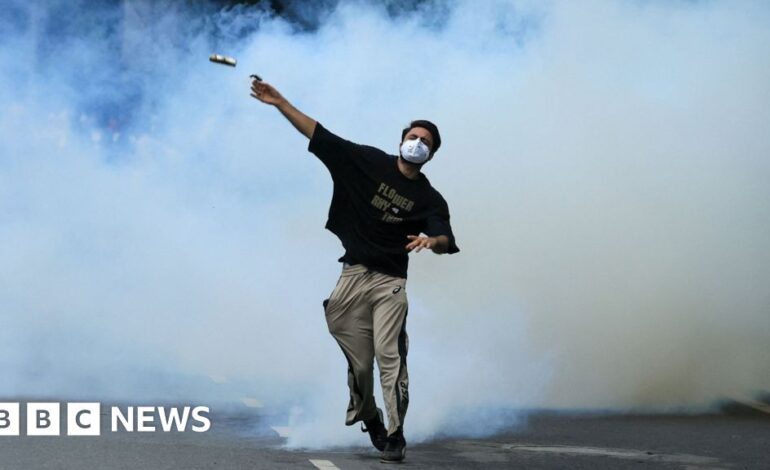
In recent events, a youth-led protest movement at Jantar Mantar captured national attention, posing a significant challenge to Modi’s administration. The movement, unexpected yet powerful, signals a shift in Indian sociopolitical dynamics. This article delves into the origins, demands, and implications of this movement on India’s political landscape.
The Birth of a Movement
Jantar Mantar, a historic site for protests, witnessed the rise of a new youth movement spearheaded by the Citizens for Justice and Peace (CJP). Sparked by increasing disenchantment with government policies, this movement has swiftly gained traction.
Key Players and Their Demands
The movement comprises numerous youth activist groups advocating for diverse issues such as employment opportunities and government transparency. Their primary demands aim at systemic changes in governance and immediate political accountability.
Impact on Modi’s Administration
As protests grow louder, Modi’s government faces mounting pressure. This youth activism challenges conventional political strategies and calls for re-evaluation of policy decisions to better align with the aspirations of India’s emerging youth population.
Conclusion
By spotlighting issues previously sidelined, the youth movement at Jantar Mantar marks a pivotal moment in India’s political milieu. Its rise signifies not only a demand for change but also highlights the need for the government to engage meaningfully with the concerns of younger generations. This movement could reshape India’s future socio-political landscape.