
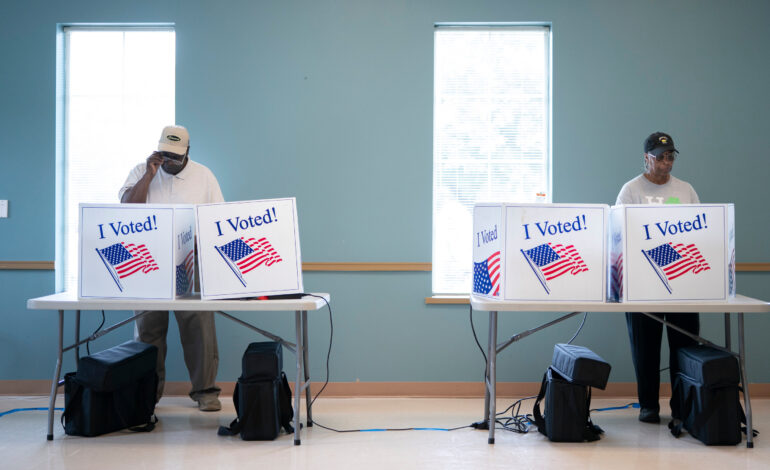
Democrats Realign 2028 Primary Strategy by Prioritizing South Carolina

In a decisive move, the Democratic Party has voted to put South Carolina at the forefront of its 2028 primary elections, replacing traditional early states like Iowa and New Hampshire. This shift underscores a strategic realignment aimed at amplifying diverse voices within the party, as well as a broader reflection on the changing political landscape.
Historical Context of Democratic Primaries
The Democratic Party’s primary calendar has traditionally featured Iowa and New Hampshire as the initial battlegrounds. These states have played a crucial role in shaping initial voter perceptions and candidate momentum. However, concerns about representation and demographic relevance have sparked ongoing debates about the primary order.
Reasons Behind the Shift to South Carolina
Several factors have influenced the primary reordering decision. The drive for a more inclusive representation within the Democratic Party is paramount, as South Carolina offers a more diverse electorate. This change aligns the party’s primary voice with broader national demographics, thus, better reflecting the core base of the Democratic electorate.
Implications for the 2028 Presidential Race
The decision to put South Carolina first is expected to reshape the 2028 race significantly. Candidates will need to strategize to appeal to a more diverse voter base from the onset, potentially altering campaign approaches and priorities. The shift is anticipated to influence which candidates emerge as frontrunners.
Reactions from Political Stakeholders
This major change has elicited varied reactions from political stakeholders. Some view it as a progressive move toward greater equity, while others raise concerns about the departure from tradition. Political analysts will be closely observing its impact on candidate competitiveness and voter engagement in early contests.
Potential Challenges and Future Considerations
While the reordering aims to foster inclusivity, it also poses logistical challenges. Ensuring effective voter outreach and maintaining fair competition in a new primary landscape will require strategic adjustments. The Democratic Party is likely to continue evaluating the primary process to ensure it aligns with its values and electoral goals.
Conclusion
The Democrats’ decision to prioritize South Carolina in their 2028 primary is a strategic shift aimed at realigning with the evolving demographics and political dynamics of the country. This move is expected to foster greater representation and engagement from diverse communities, signifying a new era in the party’s approach to the presidential election process.